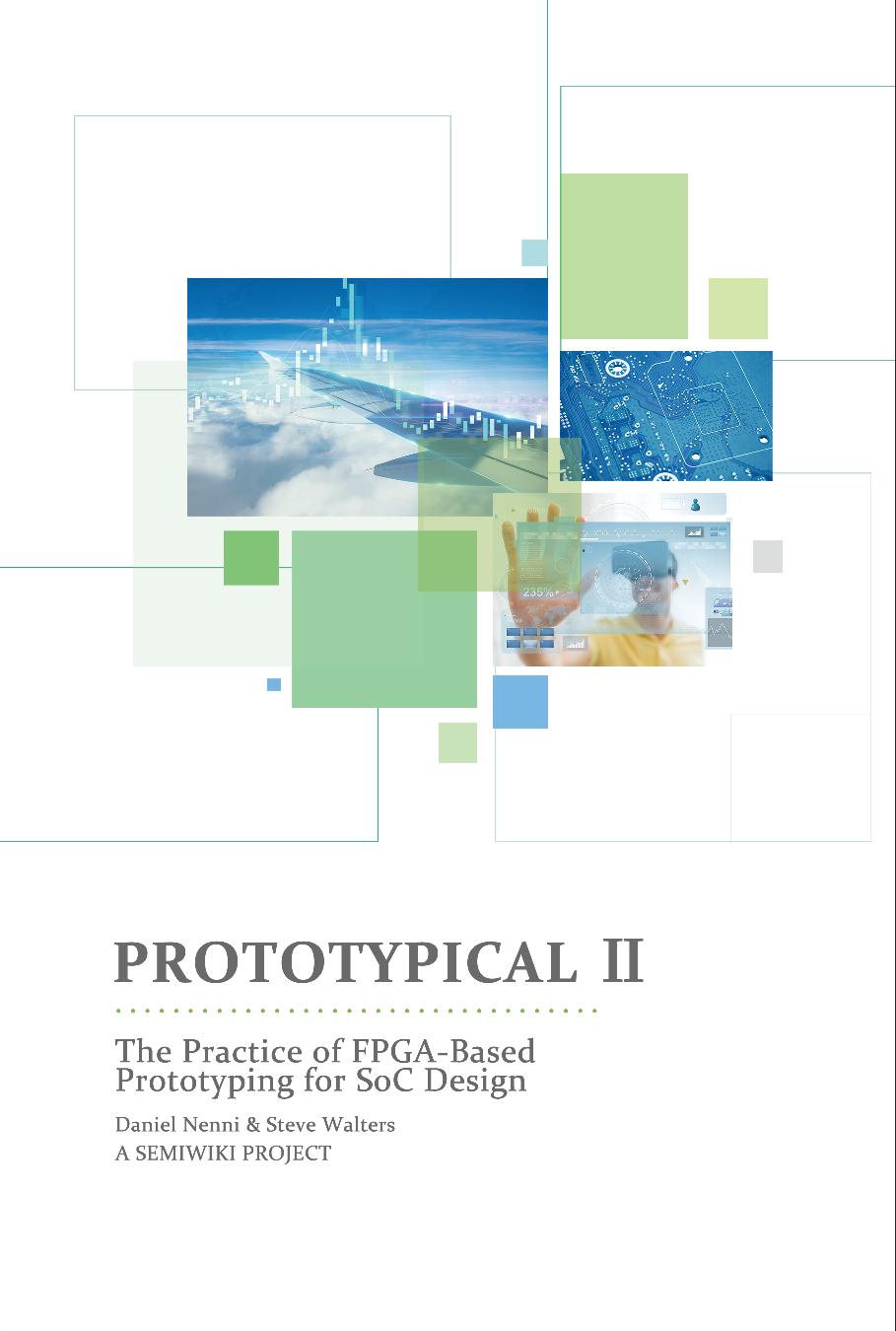
Continued semiconductor industry growth depends on delivering ever more complex chip designs, co-verified with specialized system software – in less time with relatively fewer mistakes. In this book, we will initially look at how the need for co-verification evolved with chip complexity, where FPGAs got their start in verification, and why ASIC design benefits from prototyping technology.
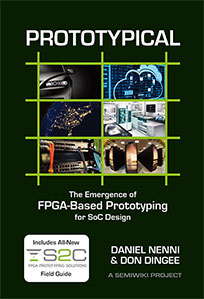
In this book, we uncover the history of FPGA-based prototyping and three leading system providers – S2C, Cadence, and Synopsys. First, we look at how the need for co-verification evolved with chip complexity, where FPGAs got their start in verification, and why ASIC design benefits from prototyping technology. The book also includes a Field Guide to help effectively navigate the FPGA prototyping flow using best practices and technologies.
How can we guarantee the DUT's suitable operation with intricate RTL codes? The answer lies in functionalverification. The frequently used verification approaches include simulation, emulation, and prototyping. Each of them has its advantages and disadvantages.
In this white paper, we will delve into the mechanics of logic simulation, emulation, and FPGA prototyping, focusing on their interaction with the DUT.
ProtoBridge AXI from S2C enables designers to maximize the benefits of FPGA-based prototypes early in the design project and corner case testing by providing a high bandwidth datapath between software running on a workstation and the FPGA prototype. This white paper elaborates on the key FPGA-based prototyping challenges and considerations to see how S2C ProtoBridge helps address them.